

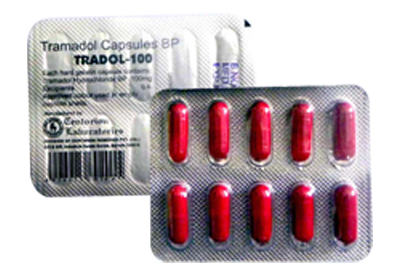
Tramadol
Tramadol is a prescription opioid painkiller used for the treatment of moderate to severe pain. A doctor may consider it when pain needs stronger treatment and other options have not provided enough relief. It is available in different formulations, including standard and modified-release tablets or capsules.
As tramadol acts on the central nervous system, it can cause side effects such as dizziness, sleepiness, nausea and constipation. It also carries recognised risks of dependence, tolerance and addiction. In the UK, tramadol is a prescription-only medicine and a controlled drug.
Treatment should therefore be based on an appropriate clinical assessment. A prescriber will normally consider the type and severity of pain, medical history, other medicines being taken and individual risk factors before deciding whether tramadol is suitable.
Tramadol Pharmacological Profile
Tramadol belongs to the opioid analgesic group of medicines, although its pharmacology is somewhat different from that of many conventional opioids.
Part of its effect comes from activity at μ-opioid receptors within the central nervous system. Tramadol itself has opioid activity, while one of its metabolites, O-desmethyltramadol, also contributes to its pharmacological effect.
There is another part to tramadol's action. It can influence the reuptake of the neurotransmitters noradrenaline and serotonin. These chemical messengers are involved in several functions within the nervous system, including pathways concerned with pain processing.
This mixed mechanism helps explain why tramadol has a different interaction and adverse-effect profile from some other opioid medicines. It also means that medicines affecting serotonin, the central nervous system or tramadol metabolism may be clinically important.
How Does Tramadol Work?
Pain signals travel through the nervous system before being processed by the brain. Tramadol alters aspects of this signalling rather than treating the underlying cause of pain itself.
Its opioid component involves μ-opioid receptors. Activation of these receptors can reduce the transmission and perception of pain signals. The active metabolite O-desmethyltramadol contributes to this opioid activity.
At the same time, tramadol affects noradrenaline and serotonin reuptake. This influences neurotransmitter activity within descending pathways involved in the body's processing of pain.
The effect is not identical in every patient. Differences in the cause of pain, metabolism, other medicines and individual biology can all influence the response. Tramadol should therefore not be expected to provide the same degree of pain relief for everyone.
Absorption, Metabolism and Pharmacokinetics
Tramadol is absorbed after oral administration and then undergoes metabolism, mainly in the liver. The Summary of Product Characteristics for tramadol capsules reports oral absorption above 90%, with mean absolute bioavailability of approximately 70%.
After a single oral dose of an immediate-release capsule or tablet in healthy volunteers, peak plasma concentration has been reported at around 1.6 to 2 hours. Exact pharmacokinetic behaviour can vary according to formulation and the individual taking the medicine.
Two liver enzyme pathways are particularly relevant: CYP2D6 and CYP3A4. CYP2D6 is involved in converting tramadol to O-desmethyltramadol, an active metabolite. Medicines that inhibit or otherwise affect these enzymes may change exposure to tramadol or its metabolites.
Genetic differences in CYP2D6 activity are another reason why people may process tramadol differently. Some individuals produce the active metabolite more quickly or more slowly than others.
The elimination half-life of tramadol is approximately six hours according to product information, although this can be prolonged in some circumstances. Tramadol and its metabolites are largely eliminated through the kidneys.
Kidney or liver impairment may slow elimination. This is one reason why a person's general health and medical history need to be considered before and during treatment.
Immediate-Release and Modified-Release Tramadol
Tramadol is supplied in more than one type of oral formulation. They are designed to release the medicine differently.
| Formulation | General Purpose | Release Pattern | Typical Clinical Consideration |
| Immediate-release | Used where a shorter-acting formulation is considered appropriate | Releases tramadol relatively quickly | May be considered for pain requiring shorter-duration treatment or where pain varies |
| Modified-release | Used when a longer release period is required | Medicine is released gradually over an extended period | Intended to provide more sustained drug exposure |
These formulations should not be treated as automatically interchangeable.
Modified-release tablets or capsules must be taken according to the instructions for the particular product. They should generally be swallowed as directed rather than crushed or chewed, because damaging the release system can cause the medicine to be released incorrectly.
Patients should follow the formulation and instructions stated on their prescription and medicine packaging.
Clinical Uses of Tramadol
Tramadol is used for moderate to severe pain. Whether it is appropriate depends on the individual situation rather than simply the presence of pain.
For acute pain, a clinician may consider an opioid when the severity of symptoms justifies it and other approaches are not adequate or appropriate. The expected duration of treatment is also relevant.
Longer-lasting pain needs particularly careful assessment. Opioids are not automatically suitable simply because pain has continued for a long period. The underlying cause, previous treatments, functional impact and likely balance between benefit and harm all need consideration.
Regular review is important if tramadol continues to be prescribed.
Tramadol as Part of Pain Management
Pain management is not always based on one medicine. Depending on the cause of pain, treatment can involve other medicines, physical rehabilitation, activity changes or treatment directed at the underlying condition.
A clinician deciding whether tramadol has a place in treatment may consider previous painkillers, other health conditions, current medication, the nature of the pain and how it affects everyday function.
Continued opioid treatment should also be reviewed rather than assumed to remain suitable indefinitely. If useful pain relief or functional improvement is not being achieved, the treatment plan may need reconsideration.
Taking Tramadol Safely
Tramadol should be taken only as prescribed. Patients should not increase the amount or take it more frequently because pain remains troublesome without first discussing this with their prescriber.
Standard and modified-release products behave differently. Instructions supplied with the particular medicine should be followed carefully.
If a dose is forgotten, patients should check the patient information leaflet or speak to a pharmacist or prescriber if unsure what to do. Two doses should not be taken together simply to compensate for a forgotten dose.
Anyone finding that tramadol seems less effective over time should seek medical advice rather than changing their treatment themselves. Reduced effect can have several explanations, including the development of tolerance.
Who May Not Be Suitable for Tramadol?
Tramadol is not suitable for every patient. A prescriber needs to consider individual risks before treatment begins.
Particular care may be required in people with a history of seizures, breathing problems, significant liver or kidney impairment, previous drug or alcohol dependence, head injury or conditions affecting consciousness.
Previous allergy or hypersensitivity to tramadol is also important.
Pregnancy and breastfeeding require specific professional assessment because tramadol can cross the placenta and small quantities of tramadol and its metabolite can pass into breast milk.
Older patients may process medicines differently, particularly when kidney or liver function is reduced or several medicines are being taken.
Patients should give their prescriber an accurate medical and medication history rather than assuming that tramadol is suitable because they have previously taken another painkiller without problems.
Tramadol Drug Interactions
Interactions are particularly important with tramadol because both its opioid activity and its effects on neurotransmitters can be influenced by other substances.
Alcohol and medicines that depress the central nervous system can increase sedation and impairment. Combining opioids with sedating medicines, including benzodiazepines, may increase the risk of severe drowsiness and respiratory depression.
Some antidepressants and other medicines affecting serotonin can increase the possibility of serotonin toxicity. Monoamine oxidase inhibitors (MAOIs) are particularly important and should be discussed with the prescriber.
Tramadol can also increase seizure risk in susceptible people. Combining it with medicines that lower the seizure threshold may add to that risk.
Medicines affecting CYP2D6 or CYP3A4 can alter tramadol metabolism and may change exposure to tramadol or its active metabolite.
Patients should tell their prescriber or pharmacist about prescription medicines, pharmacy medicines, supplements and herbal products they use before starting tramadol.
Side Effects of Tramadol
Like other medicines, tramadol can cause unwanted effects. Not everybody experiences them, and their severity varies.
Common Side Effects
Reported effects include:
- nausea or vomiting
- dizziness
- sleepiness or tiredness
- headache
- constipation
- dry mouth
- sweating
Dizziness or sleepiness can be particularly relevant when driving, working at height or operating machinery.
Persistent or troublesome side effects should be discussed with a healthcare professional.
Serious Adverse Effects
Some reactions need urgent medical assessment.
Serious breathing difficulty, marked reduction in alertness, loss of consciousness, seizures or symptoms of a severe allergic reaction should not be ignored.
Tramadol can also contribute to serotonin syndrome, particularly when combined with other serotonergic medicines.
Severe or unexpected symptoms after taking tramadol should be assessed promptly.
Dependence, Tolerance and Misuse
Tramadol is an opioid and can cause dependence.
Physical dependence means that the body adapts to regular exposure to the medicine. This can lead to withdrawal symptoms if treatment is suddenly stopped after ongoing use.
Tolerance can also develop. This means the same amount of a medicine may have less effect over time. A person who believes tolerance is developing should speak to their prescriber rather than taking additional tramadol.
Addiction is another recognised risk. The likelihood can be influenced by duration of use, individual vulnerability and patterns of medicine use.
Taking more tramadol than prescribed can be dangerous. Combining it with alcohol, sedatives or other central nervous system depressants can further increase harm, including excessive sedation and breathing problems.
These risks are among the reasons opioid treatment should be prescribed and reviewed appropriately.
Withdrawal and Stopping Tramadol
Stopping tramadol suddenly after regular or prolonged use can produce withdrawal symptoms.
These may include restlessness, anxiety, agitation, sweating, shaking, sleep disturbance and other physical or psychological symptoms.
Withdrawal is not necessarily evidence of addiction. Physical dependence can occur during medically supervised opioid treatment as the body becomes accustomed to the medicine.
People who have been using tramadol regularly should speak to their prescriber before stopping. Where a reduction is needed, the approach should be planned for the individual rather than following a general or self-directed withdrawal schedule.
Tramadol and Serotonin Syndrome
Serotonin syndrome is an uncommon but potentially serious reaction caused by excessive serotonergic activity in the nervous system.
Tramadol can affect serotonin signalling. The risk becomes particularly relevant when it is taken with certain antidepressants or other medicines that also increase serotonergic activity.
Possible symptoms can include agitation, confusion, sweating, tremor, muscle changes, increased body temperature and a rapid heartbeat. Symptoms can vary and may progress.
Anyone developing symptoms that could indicate serotonin syndrome should receive prompt medical assessment, particularly when tramadol has been combined with another serotonergic medicine.
Tramadol and Seizure Risk
Seizures have been reported in association with tramadol.
Risk may be greater in people who already have epilepsy or another predisposition to seizures. It may also increase when tramadol is used with certain medicines that reduce the seizure threshold.
This is why a history of seizures and a complete list of current medicines should be discussed with the prescriber before treatment.
A seizure occurring during treatment requires medical assessment.
Driving and Operating Machinery
Tramadol can cause sleepiness, dizziness, blurred vision or reduced concentration. These effects can interfere with the ability to drive or operate machinery safely.
A patient should not drive or use machinery if tramadol is affecting alertness, judgement, coordination or reaction time.
There are also legal requirements concerning driving while impaired by medicines and controlled drugs. Patients should follow current UK guidance and any advice given by their doctor or pharmacist.
Overdose and Emergency Risks
Taking too much tramadol can cause serious poisoning. Risk can become greater when tramadol is combined with alcohol, sedative medicines or other substances that depress the central nervous system.
Possible warning signs of serious toxicity include extreme drowsiness, loss of consciousness, seizures and difficulty breathing.
A suspected overdose should be treated as a medical emergency. Emergency medical assistance should be sought rather than waiting for symptoms to improve.
No additional tramadol should be taken in an attempt to manage uncontrolled pain beyond what has been prescribed.
UK Prescription and Controlled-Drug Status
Tramadol is a prescription-only medicine in the UK. It is also controlled under UK drugs legislation.
Tramadol is classified as a Class C controlled drug and is placed in Schedule 3 of the Misuse of Drugs Regulations 2001. This status places additional legal requirements around prescribing and supply.
Its controlled status reflects the need to balance legitimate medical use with the recognised risks associated with misuse and dependence.
Patients obtaining tramadol through a legitimate UK pharmacy should therefore expect appropriate prescription and clinical requirements to apply. Its supply should not be presented as a way of avoiding medical assessment or prescription controls.
Frequently Asked Questions
What type of pain is tramadol prescribed for?
Tramadol is used for moderate to severe pain. Whether it is suitable depends on the cause and severity of the pain, previous treatment, other health conditions and the patient's medication history. It is not automatically appropriate for every painful condition, so a clinical assessment is required before it is prescribed.
How is tramadol different from ordinary painkillers?
Tramadol is an opioid analgesic and works differently from medicines such as paracetamol or anti-inflammatory painkillers. Its action involves opioid receptors as well as effects on noradrenaline and serotonin signalling. These actions also contribute to its particular side-effect and interaction profile.
Can tramadol cause dependence?
Yes. Physical dependence can develop with regular opioid use, and tramadol also carries a risk of addiction. Tolerance may develop in some patients over time. These possibilities are important reasons for using tramadol according to the prescription and reviewing ongoing treatment with the prescriber.
Why can tramadol interact with antidepressants?
Tramadol influences serotonin and noradrenaline activity. Some antidepressants affect the same neurotransmitter systems, so combining them may increase particular adverse effects. Depending on the medicines involved, concerns can include serotonin syndrome and seizures. A prescriber should therefore know about all antidepressants and other mental-health medicines being taken.
Can tramadol make you sleepy?
Yes. Sleepiness, tiredness and dizziness are recognised side effects. People affected by these symptoms should not drive or operate machinery. Alcohol may make sedating effects worse and should not be used as a way of managing or altering tramadol's effects.
Why does tramadol affect different people differently?
Several factors can influence the response, including age, kidney and liver function, other medicines and genetic differences in drug-metabolising enzymes such as CYP2D6. The type and cause of pain also matter. For these reasons, one person's experience of tramadol cannot reliably predict another person's response.
Can tramadol be stopped suddenly?
Regular or prolonged use can lead to physical dependence, and suddenly stopping may result in withdrawal symptoms. Anyone taking tramadol regularly who wants or needs to stop should speak to their prescriber. The appropriate method of reducing treatment depends on the individual circumstances.
What should I tell my prescriber before taking tramadol?
Tell the prescriber about your medical conditions, previous reactions to medicines, history of seizures, breathing problems, liver or kidney problems, pregnancy or breastfeeding, and any concerns about previous drug or alcohol dependence. They should also know about all medicines, supplements and herbal products you currently use.
Medical Disclaimer
This page provides general information about tramadol and is not a substitute for individual medical advice, diagnosis or treatment. Tramadol is a prescription medicine and should only be used when prescribed for the individual patient and according to professional instructions. Speak to a doctor, pharmacist or other qualified healthcare professional if you have questions about your treatment.
Medical References
NHS - About tramadol
General UK patient information covering tramadol's role as an opioid painkiller, its use for moderate to severe pain, prescription status and key safety considerations.
NHS: About tramadol
NHS - How and when to take tramadol
Provides UK patient guidance on different tramadol formulations, modified-release preparations, missed doses, overdose precautions and stopping treatment.
NHS: How and when to take tramadol
NHS - Side effects of tramadol
Covers recognised adverse effects as well as information about tolerance, longer-term treatment and addiction.
NHS: Tramadol side effects
NHS - Tramadol with other medicines
Patient guidance covering clinically relevant interactions, including antidepressants, other pain medicines and medicines used for anxiety or sleep problems.
NHS: Tramadol interactions
electronic Medicines Compendium - Tramadol Hydrochloride 50 mg Capsules SmPC
Professional product information covering pharmacodynamics, contraindications, interactions, adverse effects, metabolism, CYP2D6/CYP3A4 involvement, O-desmethyltramadol and elimination.
emc: Tramadol Hydrochloride 50 mg Capsules SmPC
GOV.UK - Scheduling of tramadol
Home Office information explaining the decision to place tramadol in Schedule 3 of the Misuse of Drugs Regulations 2001.
GOV.UK: Scheduling of tramadol
GOV.UK - Letter to the Advisory Council on the Misuse of Drugs
Government documentation confirming tramadol's Schedule 3 status alongside its Class C control.
GOV.UK: Letter to ACMD on tramadol
MHRA - Important drug interactions
Professional learning material identifying the increased risk of central nervous system toxicity, including convulsions and serotonin syndrome, when tramadol is used with certain antidepressants.
MHRA: Important drug interactions
